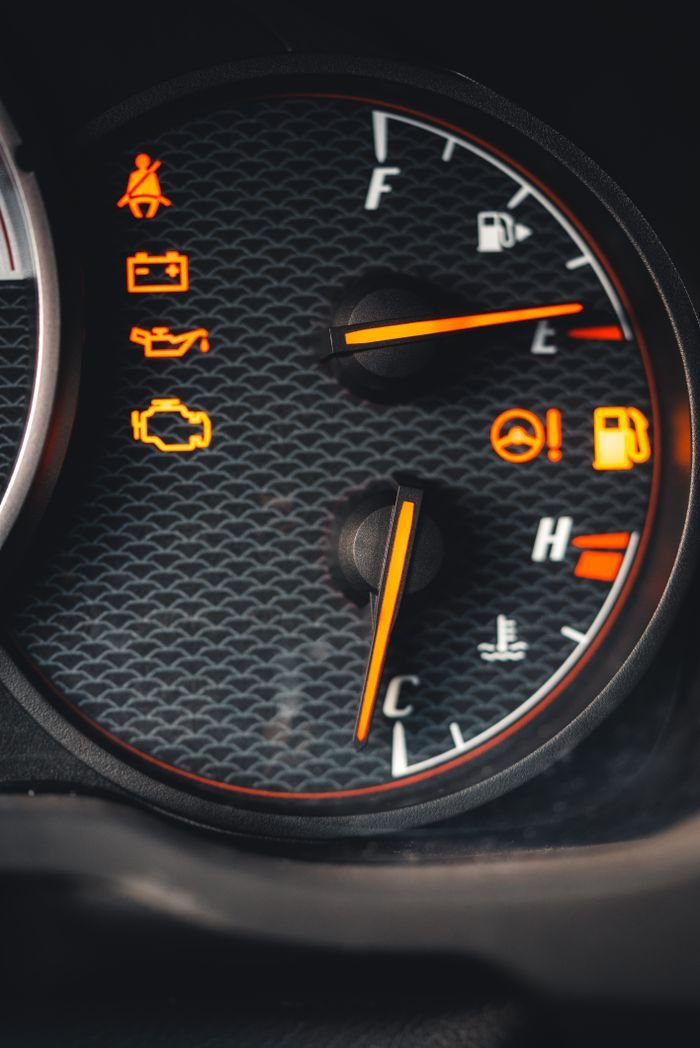
A warning light doesn’t always mean disaster—but ignoring it can turn a small issue into an expensive repair
The Check Engine Light is one of the most common warnings drivers see, yet it can be triggered by hundreds of different faults. From a loose fuel cap to engine misfires, faulty sensors or ECU communication problems, the warning alone doesn’t tell you what’s wrong.
What causes the Check Engine Light?
Some of the most common causes include:
Faulty ignition coils or spark plugs
Oxygen (Lambda) sensor failures
MAF sensor faults
Vacuum leaks
Misfires
Fuel system problems
Catalytic converter issues
Electrical wiring faults
ECU communication errors
Should you keep driving?
Sometimes yes.
Sometimes absolutely not.
Driving with an active engine fault can damage catalytic converters, turbochargers or even the engine itself. The safest option is always a professional diagnostic inspection.